
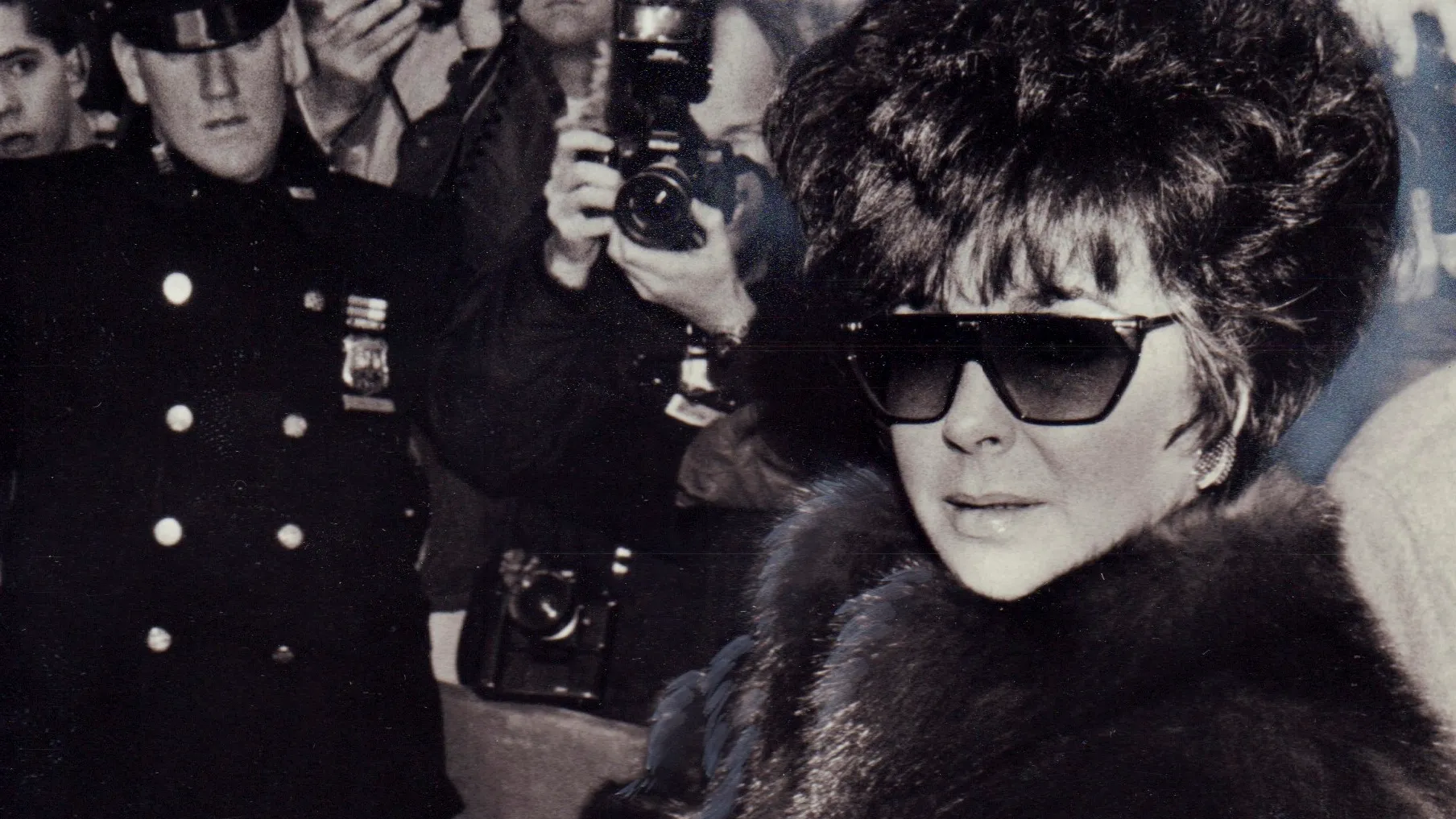
Remember those old Hollywood tales where stars burned bright, crashed hard, and then rose like a phoenix? Elizabeth Taylor lived that story better than anyone. Back in the 1980s, after years of battling addiction, health woes, and tabloid frenzy, she emerged stronger, slimmer, and ready to conquer new worlds. This piece dives into her triumphant return, drawing from archival gems like that iconic 1991 Vogue profile by Georgina Howell, where Taylor spilled on ditching her demons and reclaiming her sparkle.
The Turbulent Path to Rock Bottom
Elizabeth Taylor’s life was a rollercoaster of glamour and grit, but by the early 1980s, the lows hit hard. Chronic pain from a back injury spiraled into dependency on prescription pills and alcohol, ballooning her weight to 180 pounds and clouding her once-vibrant spirit. Friends whispered about her slurred speeches at events, and her marriage to Senator John Warner crumbled under the strain.
The Intervention That Changed Everything
Picture this: Taylor’s family and close pals, including her son Christopher Wilding, gathered in her home for a tough-love showdown in 1983. They laid out the harsh truths—her addictions were tearing them apart. Taylor, ever the fighter, asked for a moment alone, then agreed to check into the Betty Ford Center, not for them, but for herself.
Life Inside the Betty Ford Center
At the Rancho Mirage facility, Taylor traded diamonds for group therapy and chores like scrubbing toilets. She journaled nightly, confronting fears in raw entries that later inspired her openness. Sharing a room with everyday folks humbled her, but it also built bonds—she even met her future husband, Larry Fortensky, during a later stint in 1988.
Emerging from the Shadows: Taylor’s Remarkable Comeback
After seven weeks in 1983, Taylor stepped out 45 pounds lighter and sober, vowing to rewrite her narrative. She dove into work, activism, and self-care, proving that recovery wasn’t just about quitting— it was about thriving. Her 1987 book, Elizabeth Takes Off, became a bestseller, blending diet tips with candid tales of her battles.
Shedding Pounds and Gaining Confidence
Taylor’s weight loss journey wasn’t about vanity; it was reclaiming control. She swapped booze for balanced meals, hitting the gym and embracing portion control. By 1984, she dazzled in TV roles like Malice in Wonderland, playing gossip queen Louella Parsons with renewed fire.
Reviving Her Career in the Spotlight
Post-rehab, Taylor snagged cameos on soaps like General Hospital and starred in miniseries such as North and South. Critics noted her glow—gone was the puffiness, replaced by that signature violet-eyed allure. She even aged gracefully on screen, tackling roles that mirrored her resilience.
Taylor’s Activism: Turning Pain into Purpose
Sobriety unlocked Taylor’s fierce advocacy, especially for AIDS research amid the 1980s crisis. Losing friend Rock Hudson to the disease in 1985 lit a fire—she co-founded AmFAR, raising millions through galas where she’d charm donors in emeralds and lace. Her work destigmatized the illness, earning her the Presidential Citizens Medal.
Founding AmFAR and Breaking Stigmas
In 1985, Taylor rallied scientists and celebs to launch the American Foundation for AIDS Research. She testified before Congress, pushing for funding when many shied away. “I couldn’t just sit back,” she once said, her voice cracking with emotion— a far cry from her party-girl image.
Personal Touches in Philanthropy
Taylor didn’t just write checks; she hosted birthday parties for dying patients at her Bel Air home. Friends recall her sneaking in comfort food or jewelry to cheer up hospital visits. Her foundation continues today, a testament to how she channeled recovery’s lessons into saving lives.
The Many Loves of Elizabeth Taylor
Taylor’s romantic life was legendary—eight marriages to seven men, each a chapter in her emotional saga. From abusive first hubby Nicky Hilton to the passionate Richard Burton (twice!), love was her greatest high and low. Post-recovery, she sought stability, marrying Fortensky in 1991 at Michael Jackson’s Neverland Ranch.
A Timeline of Her Marriages
Here’s a quick look at Taylor’s unions, blending joy and heartbreak:
- Conrad “Nicky” Hilton Jr. (1950-1951): Whirlwind at 18; ended in abuse and miscarriage.
- Michael Wilding (1952-1957): Father of her two sons; steady but dull.
- Mike Todd (1957-1958): True soulmate; widowed after his plane crash.
- Eddie Fisher (1959-1964): Scandalous affair from Debbie Reynolds; regretted deeply.
- Richard Burton (1964-1974, 1975-1976): Epic passion; booze-fueled fights.
- John Warner (1976-1982): Political life bored her; led to weight gain.
- Larry Fortensky (1991-1996): Rehab romance; ended amicably.
Pros and Cons of Her High-Profile Romances
Pros: Intense passion sparked creativity; gifts like the 33-carat Krupp diamond symbolized adoration; taught her resilience.
Cons: Public scrutiny amplified heartbreaks; fueled addictions during lows; some partners enabled destructive habits.
Comparing Pre- and Post-Recovery Eras
Taylor’s life splits neatly into before and after rehab. Pre-1983: Box-office queen in Cleopatra (1963), earning $1 million, but plagued by scandals and health scares. Post-1983: Fewer films, but impactful ones like The Mirror Crack’d (1980); shifted to business with her Passion perfume empire, worth over $100 million by 1991.
| Aspect | Pre-Recovery (1950s-1970s) | Post-Recovery (1980s-2000s) |
|---|---|---|
| Career Highlights | Oscars for BUtterfield 8 (1960) and Who’s Afraid of Virginia Woolf? (1966); Cat on a Hot Tin Roof (1958) | TV roles, activism; White Diamonds fragrance launch (1991) |
| Personal Struggles | Multiple pneumonias, back surgeries; addictions peak | Sobriety maintained; brain tumor removal (1997) |
| Public Image | Tabloid darling for affairs | Respected advocate; damehood in 2000 |
| Net Worth Impact | Lavish spending on jewels | Business savvy; estate over $600 million at death |
This shift shows how Taylor reinvented herself, turning vulnerabilities into strengths.
People Also Ask: Common Questions About Elizabeth Taylor
Drawing from Google searches, here are real questions folks ask about this Hollywood icon, with quick insights:
- How many times was Elizabeth Taylor married? Eight times to seven men—her epic Burton unions counted twice. Each reflected her quest for love amid chaos. Learn more on Biography.com.
- What was Elizabeth Taylor’s cause of death? Congestive heart failure in 2011 at age 79, after years of health battles including pneumonia and a brain tumor.
- How old was Elizabeth Taylor when she died? She passed at 79, but her legacy feels timeless— from child star in National Velvet (1944) to AIDS warrior.
- What is Elizabeth Taylor famous for? Violet eyes, Oscar-winning roles, scandalous loves, and pioneering activism. She was the first celeb to earn $1 million for a film.
- Did Elizabeth Taylor have children? Yes, four: sons Michael and Christopher with Wilding, daughter Liza with Todd, and adopted daughter Maria with Burton.
Taylor’s Enduring Legacy: Lessons from a Life Lived Fully
Even in her later years, Taylor stayed relevant, launching fragrances and fighting for causes. She faced a brain tumor in 1997 with the same grit that beat addiction, recovering to attend galas and mentor stars like Kim Kardashian, who later produced a docuseries on her.
Humor Amid the Hardships
Taylor’s wit shone through tough times. Once, spotting a paparazzo, she quipped, “Darling, if you’re going to take my picture, at least get my good side—the one with the diamonds!” Her laughter, descending like musical notes, lightened heavy moments.
Emotional Bonds That Lasted
Close friends like Norma Heyman recall Taylor’s warmth: lending gowns (or nightdresses!) and hosting impromptu parties. Her bond with Michael Jackson, walking her down the aisle in 1991, showed her nurturing side—treating him like family during his scandals.
FAQ: Answering Key Questions on Taylor’s Recovery and Comeback
When did Elizabeth Taylor go to rehab?
She first entered the Betty Ford Center in December 1983 for seven weeks, treating alcohol and pill addiction. She returned in 1988 after a relapse, emerging stronger each time.
What addictions did Elizabeth Taylor struggle with?
Prescription painkillers like Percodan for chronic back pain, plus alcohol. By the 1980s, she took up to 1,000 prescriptions over years, leading to interventions.
How did recovery impact her career?
It revitalized her. Post-1983, she lost weight, wrote a bestselling book, and shifted to activism and business, earning respect beyond acting.
What role did activism play in her life after rehab?
It gave purpose. Founding AmFAR in 1985, she raised over $270 million for AIDS, using her fame to combat stigma when few celebs dared.
Did Elizabeth Taylor stay sober until her death?
Mostly yes, though health issues required pain meds. She embraced “one day at a time,” inspiring others through her openness.
In wrapping up, Elizabeth Taylor’s story isn’t just archival fodder—it’s a blueprint for resilience. From child stardom to battling demons and back to top form, she showed that true glamour comes from within. Whether you’re drawn to her films, jewels, or advocacy, Taylor reminds us: fall down, but always get up sparkling. For more on her life, check ElizabethTaylor.com or dive into Kate Andersen Brower’s biography, The Grit & Glamour of an Icon. What’s your favorite Taylor moment? Share below—let’s keep her legacy alive.
(Word count: 2,756)